

Dolianova is a place full of history and traditions. Located in the Parteolla region of Sardinia, about 20 km (12.4 miles) north of Cagliari, the capital of Sardinia, this small Sardinian town is now known for its Romanesque Cathedral, traditional olive oil production, and a winery producing Cannonau, Monica, and Vermentino, as well as for its traditional craft work.
My mom is from the Parteolla region herself (she grew up in Serdiana, right next door to Dolianova). I have been going there since I was a child, and I still visit every month. This means I know the area quite well, and I am happy to share what I know with you.
Most visitors come to Dolianova as a half-day trip from Cagliari, combining a visit to the Cathedral of San Pantaleo with wine tasting at Cantine Dolianova or other estates in Serdiana, next door. This is a nice place to get off the beaten path in Sardinia.
The surroundings of Dolianova are beautiful hills and countryside with olive groves, vineyards, unique archaeological sites, and an overall impressive landscape. If you enjoy hiking, there are different interesting routes that allow you to enjoy the beauty of nature.
In this Dolianova guide, you’ll find:
- The best things to do in Dolianova
- Historic churches and archaeological sites
- Wineries and food experiences
- Practical travel tips for visiting from Cagliari

Where Is Dolianova?
Dolianova is a small town in southern Sardinia, located about 20 km (12.4 miles) north of Cagliari. It’s located in the inland Parteolla area, a rural region known for vineyards, olive groves, and small agricultural towns.
Dolianova lies just outside the metropolitan area of Cagliari, which makes it an easy destination for a short inland trip. Many visitors stop here while exploring the wine-producing countryside of southern Sardinia.
The surrounding landscape is mostly agricultural. Vineyards and olive trees dominate the countryside, and several food producers and wineries operate in the area. The town is also known for its Romanesque cathedral and a number of archaeological sites located nearby.
Because of its proximity to Cagliari and its compact historic center, Dolianova is often visited as a half-day or full-day trip rather than a long stay destination.
Dolianova At A Glance
- Location: southern Sardinia
- Distance from Cagliari: 20 km (12.4 miles)
- Region: Parteolla
- Best known for: the Cathedral of San Pantaleo and local olive oil and wine production
- Time needed to visit: half day or full day
- Best for: wine tasting, historic churches, rural Sardinian landscapes

Why Visit Dolianova
Dolianova offers a quieter experience than the coastal towns of southern Sardinia. You should go there for historic monuments, wine production, and rural landscapes that typical of the Parteolla region.
Here are the main reasons to visit:
Romanesque architecture: The town’s main landmark is the Cathedral of San Pantaleo, a 12th-century church built in Pisan Romanesque style. Inside are historic elements, including a medieval baptismal font and a Gothic retablo.
Wine tourism: Dolianova is the main town of an important wine-producing area. You can taste local wines at Cantine di Dolianova, a cooperative winery representing growers from the surrounding countryside.
Olive oil traditions: The Oil Museum of Dolianova explains traditional olive oil production using historic presses and tools.
Archaeological sites: Prehistoric monuments nearby include Nuraghe Sa Dom’e S’Orcu and the Bronze Age burial site Su Tiriaxiu Giants’ Tomb.
Local tip: Dolianova is often combined with a visit to nearby Serdiana. The two towns are only a few minutes apart and can easily be visited on the same day.

History Of Dolianova
Generally speaking, the history of Dolianova reflects the wider history of the Campidano region, shaped by Nuragic settlements, medieval church power, and agricultural life.
Prehistoric and Roman period
The surroundings of Dolinova are full of archaeological findings that demonstrate that humans have lived in the area since the Nuragic era (second millennium BCE). Nuraghe and other small rural settlements once stood across the surrounding hills and plains.
During Roman rule, the area became an agricultural zone supplying grain and wine to nearby urban centers.
Middle Ages
After the fall of the Roman Empire, the region gradually reorganized under the Sardinian giudicati. At that time, Dolianova developed as a religious and administrative center within the Giudicato of Cagliari.
In the 12th and 13th centuries, the town became the seat of a bishopric. The Romanesque Cathedral of San Pantaleo dates from this period and remains the most important historic structure in town. It reflects strong Pisan influence, typical of southern Sardinia at the time. San Biagio Church is another important building that dates from this period.
Later centuries
After the fall of the giudicati, the area of Parteolla passed under Pisan and then Aragonese control. Agriculture remained the economic base, especially vineyards and olive groves. It’s still the case today.
Modern Dolianova
Dolianova officially became a town in 1905, from the merger of two former villages: San Pantaleo and Sicci San Biagio. Today, Dolianova is one of the most important centers in Sardinia for the production of wine, olive oil, and cheese. It is also the most important town in the area due to its typical craft work.
Don’t forget to read my post, The History of Sardinia, for more information.

Best Things To Do In Dolianova
Dolianova is fairly small, but there are a few places of interest that you should visit if you decide to go there.
Church of San Pantaleo
This is my first stop whenever I go to Dolianova, and the first place where I take my friends when I show them around.
You will find the Church of San Pantaleo in the historic center of Dolianova. This is one of the most impressive Romanesque churches in southern Sardinia. Construction began in the late 12th century, when Dolianova served as the seat of a bishopric within the former Giudicato of Cagliari.
The building shows clear Pisan Romanesque influence. Its façade uses local limestone and volcanic stone, arranged in alternating blocks. The structure follows a basilica plan with a central nave and two side aisles.
Make sure to go inside the church (you’ll need no more than 20 minutes in total to visit), as there are some interesting pieces you can admire:
- Baptismal font: a medieval stone font placed near the entrance, used for baptismal rites during the period when the church functioned as a cathedral.
- Gothic Retablo: a painted wooden altarpiece from the late Gothic period, placed behind the main altar. It consists of multiple panels with religious figures and scenes.
The church remained an important religious center in the Parteolla region for centuries and continues to function as a parish church today. It’s always open for visits.

Church of San Biagio
The full name of this church is actually Sicci San Biagio. As you may have guessed, the church is located in the Sicci San Biagio district of Dolianova. It served as the main parish church of the village of Sicci until the administrative union with San Pantaleo in 1905 created the modern municipality of Dolianova.
The church dates mainly to the 17th century, although parts of the structure may incorporate earlier elements that date from the 16th century, and the façade was rebuilt in 1782. The building reflects typical Sardinian parish architecture of the early modern period, with a simple façade and a rectangular plan.
The church has a single nave interior, covered by a barrel vault, with side chapels that were added in later phases to host altars and devotional spaces. There’s also a bell tower that dates from the mid 19th century, positioned next to the main structure and visible from the surrounding streets. Back in the day, it was the first public watch in town.
Inside, the church contains several wooden statues used during religious celebrations dedicated to Saint Blaise. The church remains an active parish site and continues to host services and local religious events in the Sicci area of Dolianova.

Main Square
The main square of Dolianova is Piazza Brigata Sassari. It functions as the main public space and a meeting point for residents and visitors. I love hanging out here, as it’s a great spot to observe a bit of local life.
The square developed around the historic core of Dolianova and connects the two former villages that merged in 1905: Sicci San Biagio and San Pantaleo. Its position makes it a central point for local administration, daily activities, and public gatherings.
Several important buildings face the square:
- The Town Hall, which houses the municipal offices
- Cafés and small businesses along the edges of the square
- Residential buildings from the late 19th and early 20th centuries
Piazza Brigata Sassari hosts local events throughout the year, including markets, public celebrations, and community gatherings. During religious festivals and town celebrations, the square becomes the main gathering space for processions and performances.
Overall, it is a nice, airy place where you can spend some relaxing moments observing the slow-paced local life. There are plenty of benches where you can sit for a while and trees for shade.

Sa Mola de Su Notariu – Museum of Oil
This museum is located in the historic center of Dolianova. It was created in 2003 in order to document the history of olive cultivation and olive oil production in the Parteolla region. I visited for the first time after my parents told me that the mill where they normally take their olives to make olive oil also had a museum – rustic, but fun to visit.
The museum is housed in a restored building that once formed part of a traditional olive mill. Its exhibition focuses on the tools, techniques, and rural economy connected to olive growing in southern Sardinia.
The collection includes:
- Traditional milling equipment, including presses and stone mills used to crush olives.
- Tools and containers used for harvesting, storing, and transporting olives and oil.
- Historical documents and photographs showing agricultural work and local olive production.
There is also a one-of-a-kind collection of oil lamps, which is exhibited in the basement.
Here you can learn about the stages of traditional olive oil production, from harvesting to pressing and storage. The museum also provides information on the role of olive cultivation in the local economy.
Today, it functions as a small cultural center that preserves knowledge of rural work and agricultural traditions in the Dolianova area. The museum is open Monday to Saturday (it only operates in the morning on Saturdays).
If you wish to visit, you have to book this guided tour of the Museum of Oil that also includes a tasting course. It’s a very interesting thing to do to learn about the characteristics of this delicious product directly from its makers.

Nuraghe Sa dom’e S’Orcu – a lesser-known nuraghe near Dolianova
Sa Dom’e S’Orcu Nuraghe is probably the most untouched nuraghe in the surroundings of Dolianova, and one of the most interesting archaeological sites in the Parteolla region. I visited after my cousin, who lives in the nearby Serdiana, recommended it to me. She said it was hard to find, but worth it – and she was right!
The structure dates to the Bronze Age, and dates from the 2nd millennium B.C. The monument consists of a single-tower nuraghe (approximately 4 meters/13 feet tall) built with large basalt stones placed without mortar. The tower originally had multiple internal levels connected by a staircase built inside the wall.
Key structural elements include:
- Entrance corridor leading into the central chamber
- Tholos chamber, covered by a corbelled dome made of overlapping stones
- An internal staircase built within the thick wall of the tower
Archaeological studies indicate that the site functioned as a defensive and residential structure. Its elevated position allowed visual control over the surrounding plain.
This nuraghe rises in a rocky area, with a stunning view of the Parteolla, which on clear days can span all the way to the Gulf of Cagliari. Getting there is a bit of a walk, but it is rewarding.
For more nuraghe to visit, head over to my post, A Guide To Nuraghe In Sardinia.
Su Tiriaxiu Giants’ Tomb
Honestly, there isn’t much to see at this giants’ tomb, but the setting is so pretty that you may want to check it out anyway. It’s located about 5 km (a little over 3 miles) from Dolianova, close to Sa Dom’e S’Orcu nuraghe and right by a river, in an area that is rich in water sources.
My post, Most Impressive Giants’ Tombs in Sardinia, will guide you to more unique sites to visit on the island.

Villa De Villa
Located in Via Giosuè Carducci, this beautiful historic residence dates back to the beginning of the 19th century, and it belonged to the De Villa family, a local landowning family active in agriculture and regional administration.
The buildingreflects the layout typical of large Sardinian houses from that period. It was designed as a private residence connected to agricultural activities in the surrounding countryside.
There is a central courtyard that was used for work related to farming and storage; a main residential wing spread across two floors and facing the main street; and service buildings used for storage, stables, and agricultural equipment.
By the 1960s, Villa De Villa was unfortunately abandoned and was mostly in ruins. The municipality eventually bought it in the 1980s and restored it to its original splendor. It is currently used for events, exhibits, and concerts.
Fonte Sacra Sa Mitza Salamu
Close to Sa Dom’e S’Orcu Nuraghe, it will take a bit of an effort to find this sacred source of water. It’s located at the foot of the Bruncu Salamu mountain, completely immersed in nature.
The structure dates to the Bronze Age and is linked to water cult practices of the Nuragic civilization.
It was built to protect and control access to a natural spring, and the construction reflects the typical design of Nuragic sacred springs found across Sardinia. There’s a stone entrance passage leading to the spring chamber, an underground basin where water gathers, and masonry walls built with carefully fitted stones.
Archaeologists suggest that the spring had a ritual function connected to purification and water worship.

Nuraghe of Sant’Uanni
The Nuragic site of Sant’Uanni – Saint John in English, or San Giovanni in Italian – is very ancient and has had a very long and complex history. The site was inhabited during the Roman occupation and became a place of worship when the church of Saint John was built there.
Unfortunately, you will not find this important historical site in good condition. I honestly had to ask around to find the site, until some locals told me I was literally standing on top of it… I had not even realized the stones were part of the ruins.
Indeed, over the centuries, many stones that made up the building were taken from it. Nowadays, it just looks like a few rocks on top of a small hill from where you can get nice views of the surrounding countryside.
Getting there from the center of Dolianova is easy. Walk or drive out of town and follow the signs to San Giovanni.

Nearby Serdiana
Serdiana is located right next to Dolianova, so most travelers visit both small towns on the same day. It’s typically what I do when I go visit my aunt, who still lives in Serdiana. Much like Dolianova, the town is surrounded by vineyards and farmland and is known mainly for its rural heritage, a Romanesque church, and wine production.
The most important historic site in Serdiana is the rural Church of Santa Maria di Sibiola. This Romanesque church dates to the 11th century and stands in the countryside outside the town.
The building once belonged to a Benedictine monastic complex and remains one of the best-known medieval monuments in the area. Unfortunately, it is only open for special occasions (i.e., wine festivals), but it is still a beautiful place to admire even from the outside.
Other places of interest include the Church of Santa Maria di Monserrato, a historic parish church located in the town center, the many local wineries, including Argiolas Winery, and Su Stani Saliu, a salt marsh where pink flamingos live.
My post, A Quick Guide To Serdiana, shares more places of interest in Serdiana.

Wine And Food In Dolianova
Cantine di Dolianova
First opened in 1949 by a group of local winegrowers who joined to process and market their grapes collectively, the Cantine di Dolianova is just one of the many wineries you will find in the Parteolla region, and one of the best-known wineries in South Sardinia.
The winery brings together farmers from several towns in the Parteolla region. Members cultivate vineyards and deliver their harvest to the cooperative for vinification and bottling.
Cantine di Dolianova produces several Sardinian wine varieties. These include wines made from Cannonau, Monica, Nuragus, and Vermentino grapes, which are widely grown in southern Sardinia. They have recently started a line of excellent Monica rosé. This is a typical Sardinian grape that usually makes red wine, so it’s a novelty to see it used for rosé wine.
They also make a great spumante (sparkling wine) called Caralis.
We are big fans of Cantine di Dolianova wines at home – my parents always store a bottle of their Nuragus and of their Caralis for celebrations.
The winery opens for visits during wine festivals like Cantine Aperte, but you can also book a wine tasting experience. You should book your visit in advance directly on the site of the winery. Children are welcome.
If you wish to visit more wineries in the area, head to Serdiana, next door, and visit Cantine Argiolas, Audarya, or Cantine Pala.

Argiolas Formaggi
One of the most interesting places to visit in the Dolianova area is Argiolas Formaggi. The Argiolas family (brothers Ennio and Eligio) first opened this cheese factory in 1954, and, since then, they have been producing some of the best cheese on the island.
They began with small-scale production and gradually expanded their activity as demand for Sardinian cheese increased.
Over time, the company built new facilities for processing and aging cheese. A maturation warehouse was added in 1966, followed by a dedicated dairy plant in Dolianova in 1970.
It’s an interesting place to visit to learn about the process of cheese making, and you can obviously have lots of cheese samples while you observe. I once took my friends there and we had a really good time (and had delicious cheese).
You can visit the factory on two different tours:
- The dairy tour costs €25 per person and lasts about one hour: it’s a guided tour with a cheese tasting at the end.
- The cheese-making experience costs €40 per person and lasts 1.5 hours. The experience includes a guided tour, a cheesemaking workshop, and cheese tastings.
Both tours require advanced reservations.
You could also consider this guided tour that goes to the cheese factory of Dolianova – it’s one of the most fun day trips from Cagliari.
Cooking experiences in Dolianova
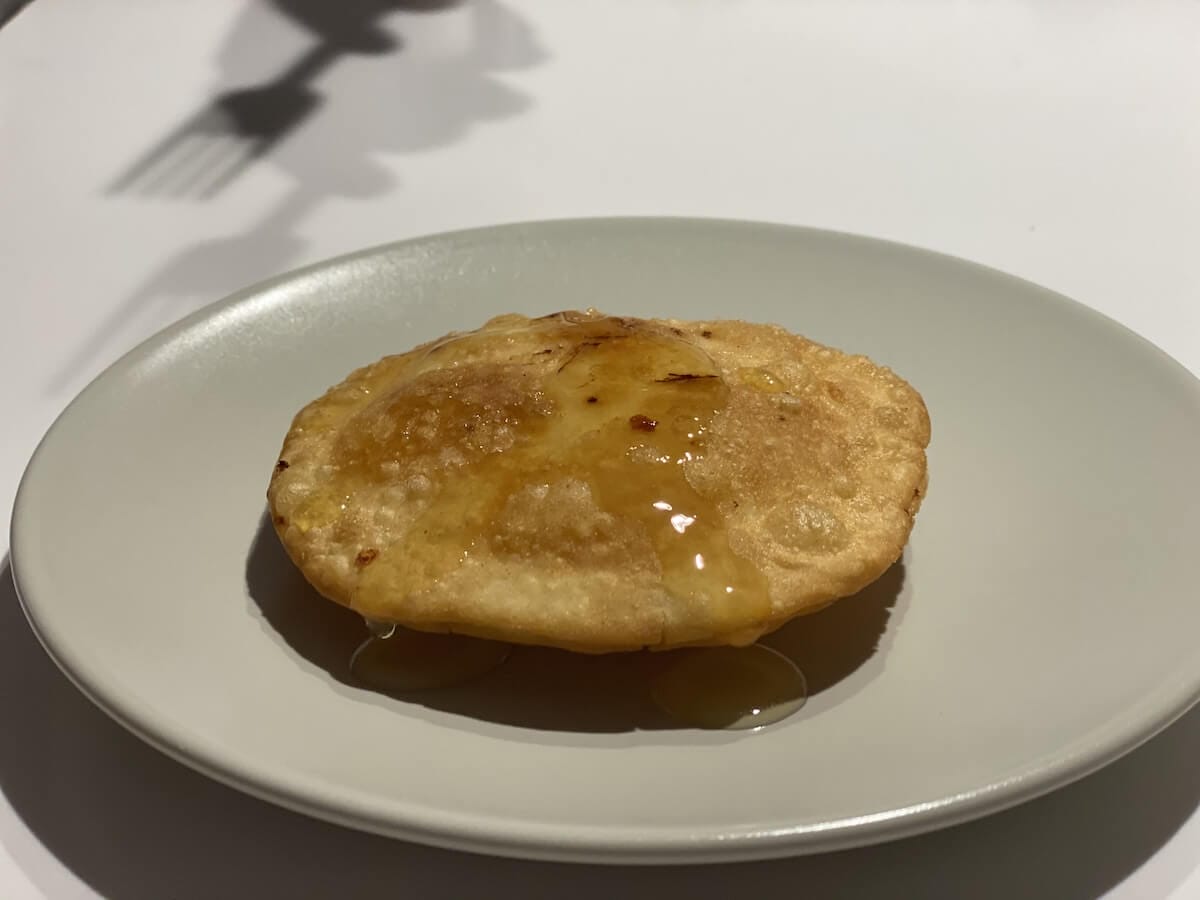
One of the more personal food experiences in Dolianova is this cooking session at Antica Casa Liori, a small home restaurant where you can learn how traditional Sardinian dishes are prepared. The activity takes place in a relaxed home setting and focuses on recipes commonly made in local households.
The experience lasts around 2.5 hours and is run in small groups. You will work directly with the host to prepare several dishes using fresh ingredients and traditional techniques.
The class is structured more or less like this:
- learn how to prepare handmade Sardinian pasta, like malloreddus
- see how traditional local desserts such as seadas or pardulas are made
- work with simple tools used in Sardinian kitchens
- cook step by step with guidance from the host
- After the cooking session, sit down to enjoy the meal that has been prepared
If you enjoy experiences like this, you may also want to read my Guide To The Best Food Tours And Cooking Classes In Sardinia, which includes other culinary activities across the island.

Festivals In Dolianova
Festival of San Pantaleo
Saint Pantaleo is one of the two protectors of Dolianova, and the San Pantaleo Festival is the town’s main religious celebration. On the 27th of July, people in Dolianova celebrate the saint.
The festival centers on the historic Cathedral of San Pantaleo. Religious ceremonies begin with several days of liturgical services that prepare for the main celebration.
Then, there’s a religious procession, during which the statue of Saint Pantaleon is carried through the streets of Dolianova. Confraternities and local groups wearing traditional clothing participate, and there are public gatherings in the town center, especially in Piazza Brigata Sassari, with traditional dances by the folk group of Dolianova.
There are concerts, community dinners, and public events.
For more celebrations, read my post on The Best Festivals And Events In Sardinia.

Festival of San Biagio
Saint Biagio is the second protector Saint of Dolianova: Saint Blaise, a Christian bishop and martyr venerated as a protector of the throat. The San Biagio Festival takes place in the Sicci San Biagio district of Dolianova every year on the 3rd of February. It takes place each year at the beginning of February and honors
The celebration centers on the Church of San Biagio. Religious services are organized over several days, with the main mass held on the feast day of the saint.
This celebration is famous for its benedizione della gola – blessing of the throat – during which the priest blesses the throat of the people by crossing two candles. Another feature is the religious procession through the streets of the Sicci area.
Local gatherings typically accompany the religious program. These include food stalls, where you can find some typical Sardinian sweets, such as the local pirichitteddus, and community meals organized by local associations.

Medieval festival
This festival takes place each year at the end of September. The festival recreates aspects of local life during the Middle Ages, a period when the town served as a religious and administrative center in southern Sardinia.
Activities during the festival take place mainly around the Cathedral of San Pantaleo and the nearby streets. The event usually involves local associations, volunteers, and historical groups.
There are historical reenactments representing medieval daily life and military activities: The churchyard of San Pantaleo is also used for representations that show what life would be like during the Middle Ages, and many participants wear costumes inspired by medieval clothing.
Another highlight is the craft demonstrations, showing traditional skills such as weaving and metalworking.
As with all festivals in Sardinia, there are also food stands – in this case offering dishes that are based on historical recipes and (it goes without saying) local products.

How To Get To Dolianova
Dolianova is located about 20 km (12.4 miles) north of Cagliari in the Parteolla area. You can easily get there by car or public transport.
By car
Driving is the most direct option. Having a car gives you much more flexibility, as it allows you to visit the surrounding sites and explore Serdiana as well.
- Distance: about 20 km (12.4 miles)
- Travel time: around 25–30 minutes, depending on traffic
Once you are out of the most trafficked ring road that goes around Cagliari Metropolitan Area, this is a really pleasant drive, as the road passes through the Parteolla countryside, an area known for vineyards and olive groves. Just make sure to always respect the speed limits, as there are speed cameras along the way.
Parking is generally available in the town center and near the Cathedral of San Pantaleo.
When renting a car in Cagliari, I recommend using Discover Cars. It’s my favorite third-party booking site for car rental, and I use it wherever I travel.
You should also read my post, What To Expect When Driving In Sardinia, for more tips.
Public transport
Dolianova can also be reached by regional buses operated by ARST.
- Travel time: around 45 minutes
- Take Bus n. 9118 from the main bus station in Piazza Matteotti, in Cagliari.
- Get off at Corso Repubblica.
- There are several daily buses, but no train service
You should also read my post, How To Travel By Public Transport In Sardinia, for more information.

Best Restaurants In Dolianova
If you decide to spend the day in Dolianova, there are a few good eateries and restaurants you can try. Here are my recommendations.
- Su Tziri Tziri – It serves traditional Sardinian dishes, including traditional pasta dishes such as culurgiones or fregola, roasted meats, and local desserts, using regional ingredients and recipes typical of the Parteolla area.
- Il Nostro Mondo – Located close to the main square, it’s a friendly place that serves local and national dishes. It’s probably my favorite spot when I want a quick bite in Dolianova.
- Agriturismo Gli Ulivi – If you want typical agriturismo food, this is where to go in Dolianova.
- Smasheat Hamburgeria – Great spot for a super budget-friendly meal.
- Ristorante Domu – Actually located in Serdiana, it’s the best place to go for a fine dining experience, complete with wine pairing.

Is Dolianova Worth Visiting?
Yes, Dolianova is worth visiting — especially if you want to experience a quieter side of southern Sardinia away from the coastal resorts.
Dolianova is particularly interesting if you want to experience:
Wine tourism: The town is located in the Parteolla wine region and is home to Cantine di Dolianova, a cooperative winery representing many local growers.
Historic churches: The main landmark is the Cathedral of San Pantaleo, one of the most important Romanesque churches in southern Sardinia.
Rural Sardinia: The surrounding countryside is dominated by vineyards, olive groves, and small farms. It’s a good introduction to the agricultural traditions of the region.
An easy day trip from Cagliari: Dolianova is only about 20 km (12.4 miles) from Cagliari, which makes it a convenient half-day or full-day excursion.
How Long To Spend In Dolianova
Most people typically spend half a day to a full day in Dolianova. I go there all the time, and I never spend more than a few hours – but then again, I can go whenever I want. The town is compact, and its main sights can be explored in a few hours, but you can easily extend your visit with wine tasting or nearby archaeological sites.
Here are some suggested itineraries.
Half-day visit
A short visit works well if you are coming from Cagliari or exploring the Parteolla area.
A typical half-day itinerary could include:
- Visit the Cathedral of San Pantaleo
- Stop at the Oil Museum of Dolianova
- Finish with a wine tasting at Cantine di Dolianova or a visit to Argiolas Cheese Factory
Full-day visit
If you have more time, you can explore the surrounding countryside.
Additional stops may include:
- Lunch at a local restaurant in the town center
- The archaeological site of Nuraghe Sa Dom’e S’Orcu
- Stop in Serdiana to visit Santa Maria di Sibiola Church
- Scenic drives through vineyards and olive groves in the Parteolla region

Where To Stay In Dolianova
You can easily visit Dolianova on a day trip from Cagliari, so I would not say this is where to base yourself in Sardinia to explore. Should you decide to stay there regardless, there are a few good options.
- Casa Rosino B&B – Nice homely atmosphere, close to the bus stop. There are three rooms with private bathrooms and a common area with a kitchen and a living room, as well as a nice garden. Bikes are available for guests.
- DoliaHouse B&B – Cozy, clean rooms in the center of Dolianova, by San Pantaleo Church. Rooms have a balcony with views of the garden.
- Anticacasaliori B&B – One of the few pet-friendly places in Dolianova, and they also have a barbecue for guests.

FAQs on Dolianova Sardinia
Dolianova is known for its Romanesque architecture, especially the Cathedral of San Pantaleo, one of the most important medieval churches in southern Sardinia. The town is also an important wine-producing center of the Parteolla region, particularly through Cantine di Dolianova, and has impressive olive oil traditions.
Yes. Dolianova is worth visiting if you’re interested in historic churches, wine production, and rural landscapes. Highlights include the Cathedral of San Pantaleo and wine tasting at Cantine di Dolianova. Its location also makes it an easy half-day or full-day trip from Cagliari.
Dolianova is just 20 km (12.4 miles) from Cagliari.
Yes, you can visit Dolianova without a car. Regional buses operated by ARST connect the town with Cagliari in about 40 minutes. However, having a car gives you more flexibility, especially if you want to explore nearby archaeological sites or the surrounding countryside.
The wine produced in Dolianova comes mainly from vineyards in the Parteolla region. The main varieties include Cannonau, Monica, Nuragus, and Vermentino. Much of the local production is handled by Cantine di Dolianova.

Final Considerations
Many travelers in South Sardinia overlook Dolianova, but it’s a pity. This small town is the epitome of authentic Sardinia, a place you should visit if you want to see a real Sardinian town. That doesn’t mean it lacks attractions. Quite the opposite indeed.
Start your visit to Dolianova with the Cathedral of San Pantaleo, one of the most important Romanesque churches in southern Sardinia. Then spend some time walking through the historic streets around the center. The town is small, so you can explore on foot.
Dolianova is also known for its wine and cheese production. Cantine di Dolianova and Argiolas Formaggi offer tastings and guided visits to get to appreciate better local produce.
It may be a small place, but Dolianova will give you the chance to slow down, get off the beaten path, and see a really unique part of Sardinia – one that I personally love.
Recommended Readings


Pin It For Later!



I don’t, but I know there was a festival this weekend where mask carving was also featured.
Would you happen to know about the mascaras ( mask carver) in Dolianova ?
Max
Great!
Thanks for the tips!
We’ll visit in Dolianova winery on 28.5.
Thanks
I am glad you are finding it helpful!
Thank you for the deep insights! I am looking forward to go there as soon as possible!